How to Reach Mount Athos — Step by Step
Mount Athos isn't a destination you punch into your GPS and drive to. You enter only by sea, only with a permit, and only if you are a man. Here is what it takes in practice.
Practical guide · Ouranoupoli → Dafni
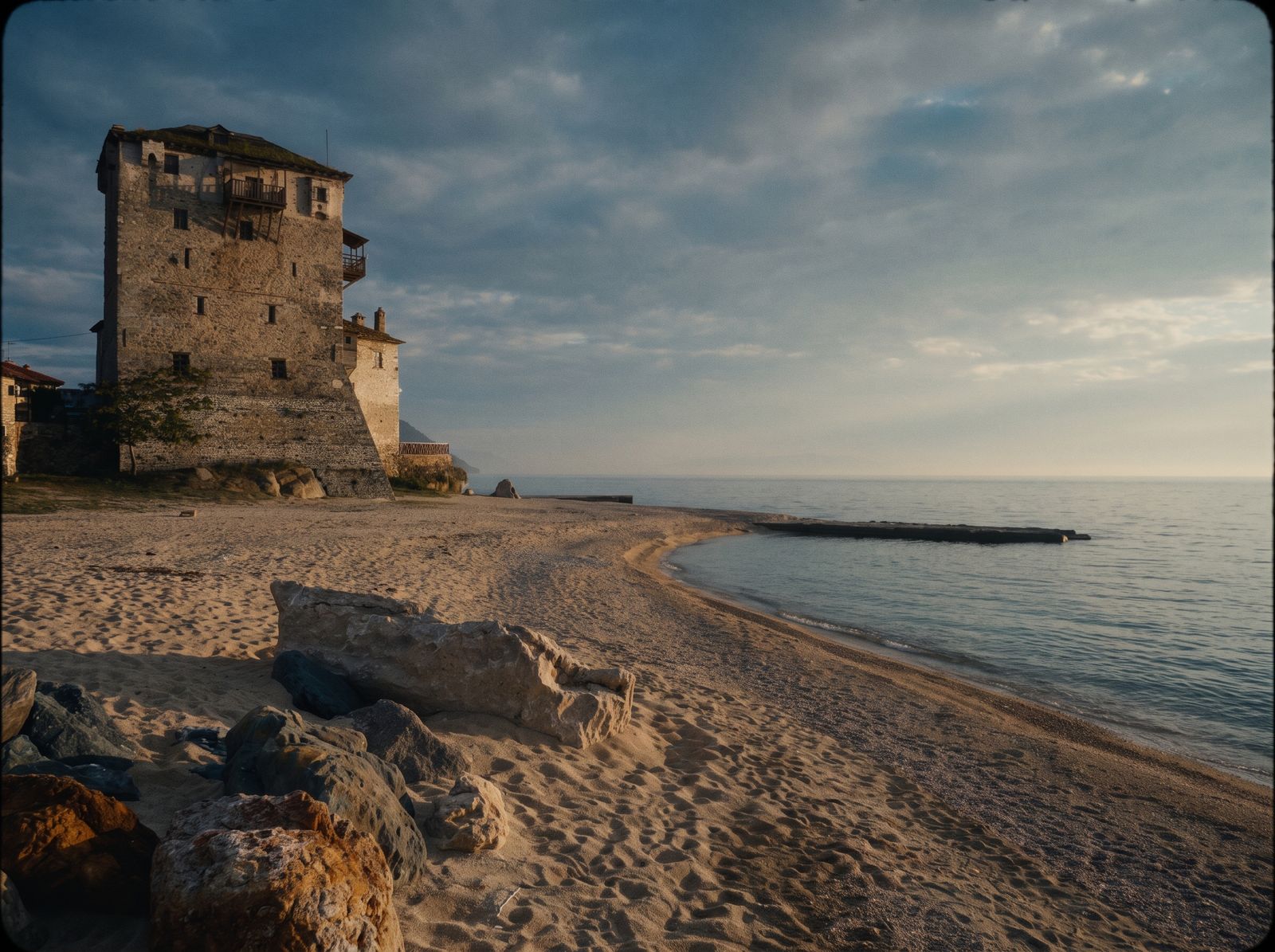
1. The Diamonitirion — the Entry Permit
No one enters Athos without a diamonitirion. It is the official pilgrimage permit, issued by the Pilgrims' Bureau of Mount Athos. You book a place in advance — by phone — because the daily spots are limited: a set number for Orthodox visitors and another, far smaller, for non-Orthodox. During the great feast days it fills up weeks ahead.
2. Ouranoupoli — the Last Stop in the "World"
The journey begins at Ouranoupoli, the last village before the borders of the monastic state. There, in the morning, you collect your diamonitirion with your ID card or passport and board the ferry.
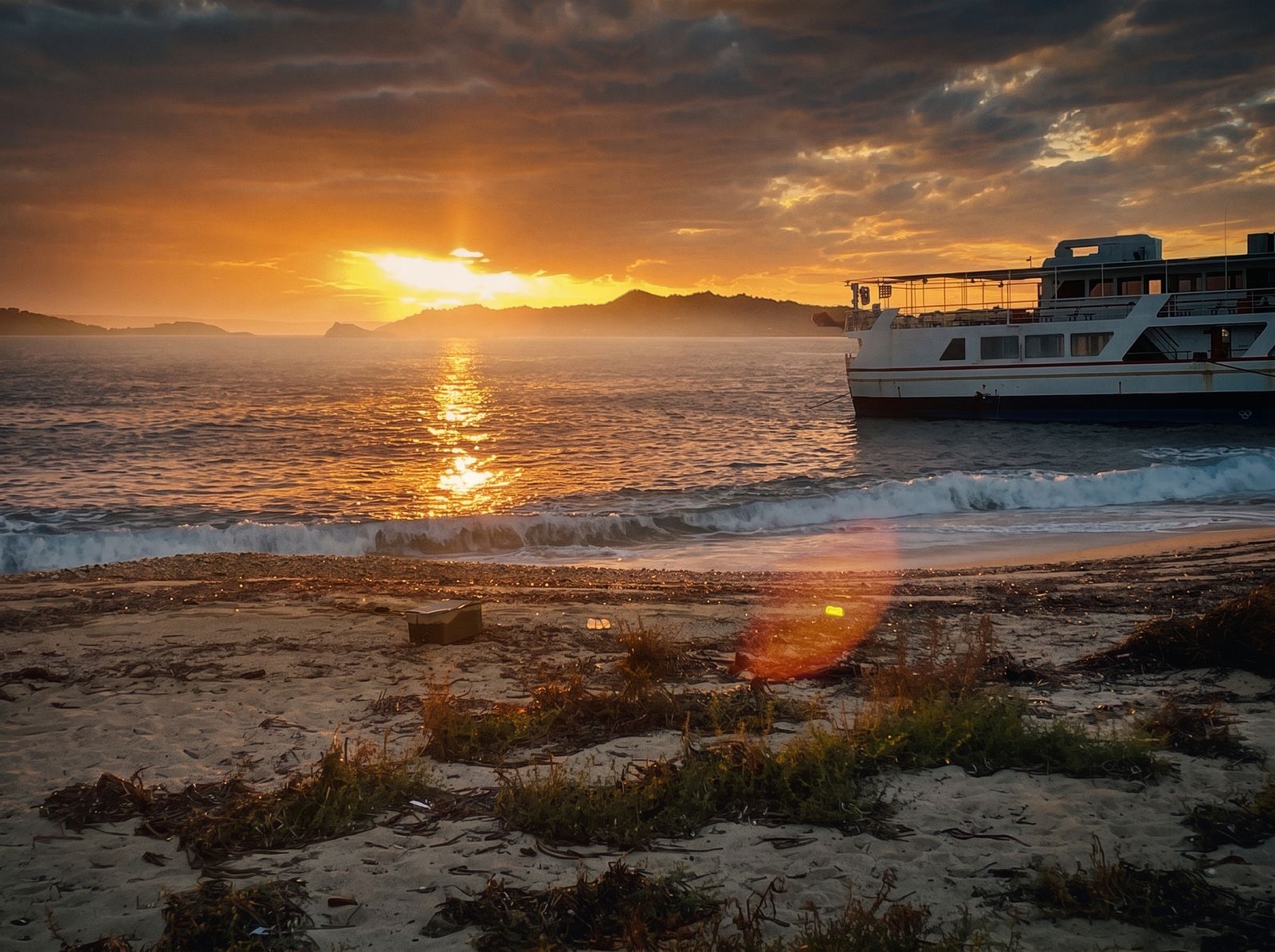
3. The Ferry to Dafni
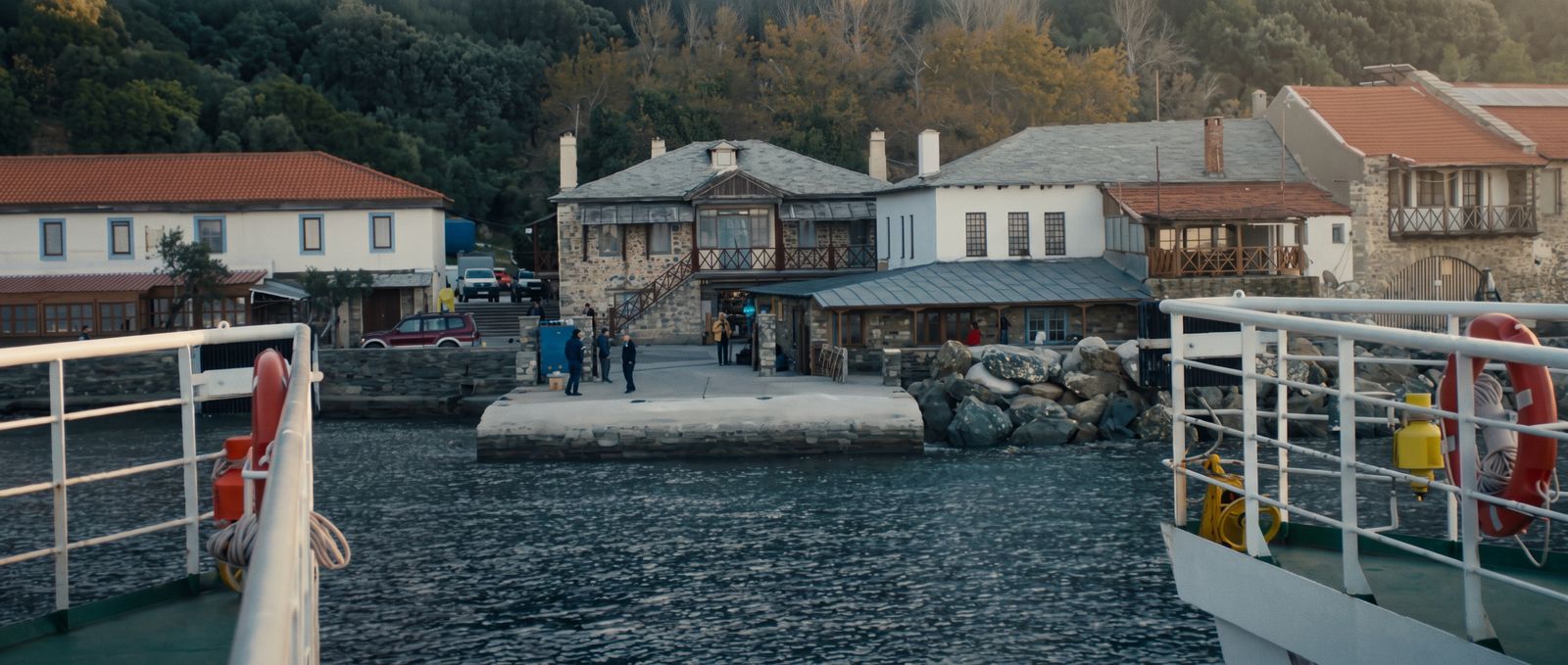
There is no road that enters Athos from outside; you arrive by sea. The boat from Ouranoupoli drops you at Dafni, the port of Mount Athos, and from there you continue by smaller boats or vehicles towards the monasteries.
4. How Long You Stay
A standard diamonitirion is valid for a few days — typically a three-day stay. Hospitality at the monasteries (guest quarters, meals) is offered free of charge; what is asked of you is to respect the rhythm: the services, mealtimes, the silence.
5. What to Keep in Mind
Long clothing, respect for photography restrictions (in many spots it isn't permitted), and the awareness that you aren't visiting a sight — you are entering a place that lives by its own time, still following the old calendar.
If you want to see what it's like before arranging your own trip — or if you will never be able to go — the first travelogue of the series takes you along this whole route, from Ouranoupoli all the way into the Garden of the Virgin.
Frequently asked questions
Do you need a permit for Mount Athos?
Yes — the diamonitirion, issued by the Pilgrims' Bureau in Thessaloniki or Ouranoupoli, for men over 18.
How do you get to Mount Athos?
By boat — from Ouranoupoli for the western side or Ierissos for the eastern. There is no road access to the peninsula.
Can women go to Mount Athos?
No. The Avaton has been in force for over a thousand years; entry is permitted to men only.