The Prophecies of Saint Paisios
Few modern monks are discussed as much as Saint Paisios the Athonite. Not everything circulating in his name is his — here is what is genuinely attributed to the Elder, through the testimonies of those who knew him.
Saint Paisios · Mount Athos
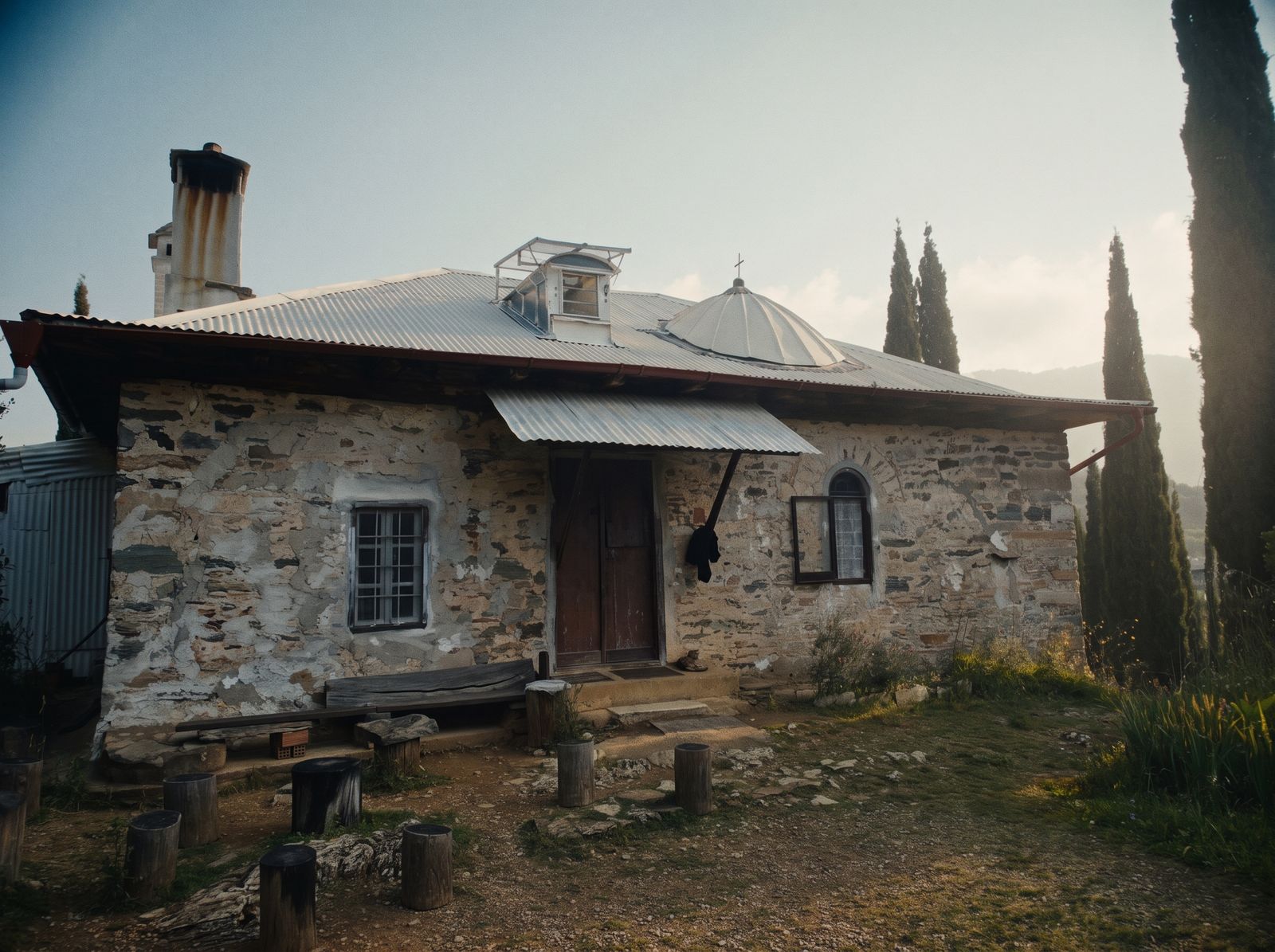
Saint Paisios the Athonite (1924–1994) spent his final years at the Panagouda, near Karyes on Mount Athos. Thousands of pilgrims climbed to see him. From those conversations — and from his disciples' books — comes what today is called 'his prophecies'.
This must be said plainly: many texts 'by Paisios' online were never spoken by him. The Elder himself avoided dates and spectacular predictions. What follows is attributed to him through recorded testimonies of people who knew him.
What he foretold about Constantinople and Turkey
The best-known saying attributed to Saint Paisios concerns 'great events' in the wider region — a major upheaval centred on Turkey that, according to the testimonies, would bring changes to the area and, as his disciples put it, the return of the City. He habitually added that 'we are not there yet' and warned against rushing to 'see signs' everywhere.
'And He kept Greece'
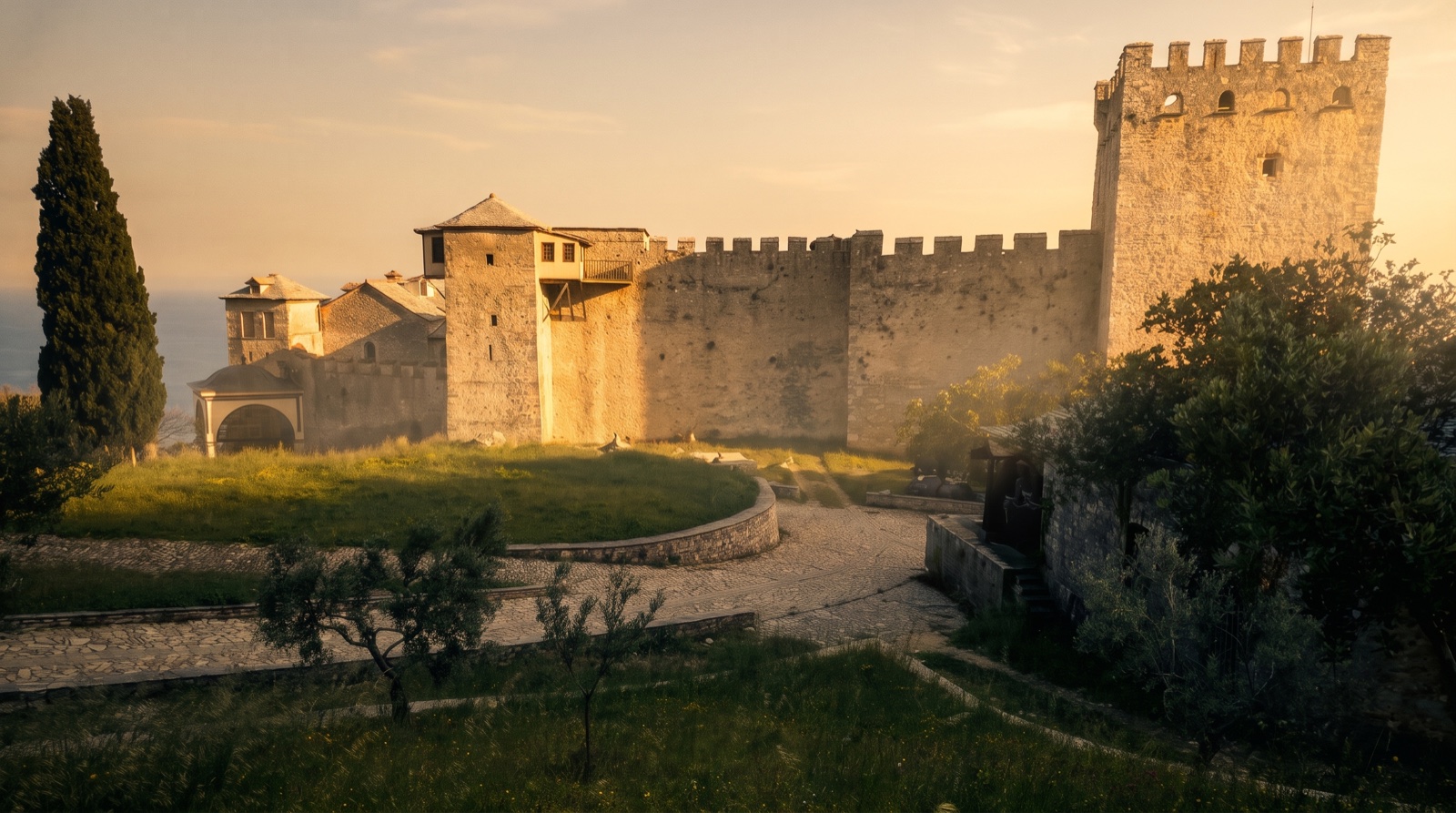
In what is attributed to him about Greece, the spirit is always the same: the land is protected — but not so anyone can grow complacent. He used a parable that God 'kept Greece for last' because He kept it for Himself. It was not nationalism; it was a call to responsibility and repentance.
What he said about America and the West
In the testimonies, Saint Paisios spoke of the West and America mainly in spiritual terms: an age of comfort that cuts people off from meaning, 'globalisation' as the flattening of what is distinct, and the technology of surveillance. He made no geopolitical forecast; he described a world losing its bearings.
'Are we cooked?'
The line circulating today as 'Paisios said we are doomed' does not fit his voice. His constant message was the opposite of despair: 'after the hardship comes the rest,' he would say, and that fear is not the Spirit of God. Even in hard words, the ending was always consolation, never terror.
This is why, in the documentary series 'On the Paths of Mount Athos', the Panagouda is shown not as a place of predictions but as a place of prayer — where one man changed thousands of lives not by telling the future, but by reading the heart.
Frequently asked questions
What did Saint Paisios predict?
In his disciples' recorded testimonies he is attributed with words about 'great events' centred on Turkey and changes in the region. He himself avoided dates and stressed that 'we are not there yet'. Many texts circulating in his name are not his.
What did Saint Paisios say about America?
He spoke of the West and America mainly in spiritual terms — an age of comfort and globalisation that cuts people off from meaning, and the technology of surveillance. He made no geopolitical prediction.
Did Saint Paisios say we are doomed?
No. His constant message was the opposite of despair: 'after the hardship comes the rest,' and that fear is not the Spirit of God. The despairing lines circulating online do not match his voice.
Where did Saint Paisios live?
In his final years at the Panagouda, near Karyes on Mount Athos, where he received thousands of pilgrims.