The Miracles of Saint Paisios
The thing people most often say about Saint Paisios is not a prophecy — it is that he 'knew'. He knew what tormented you before you opened your mouth. The testimonies number in the hundreds.
Saint Paisios · Mount Athos
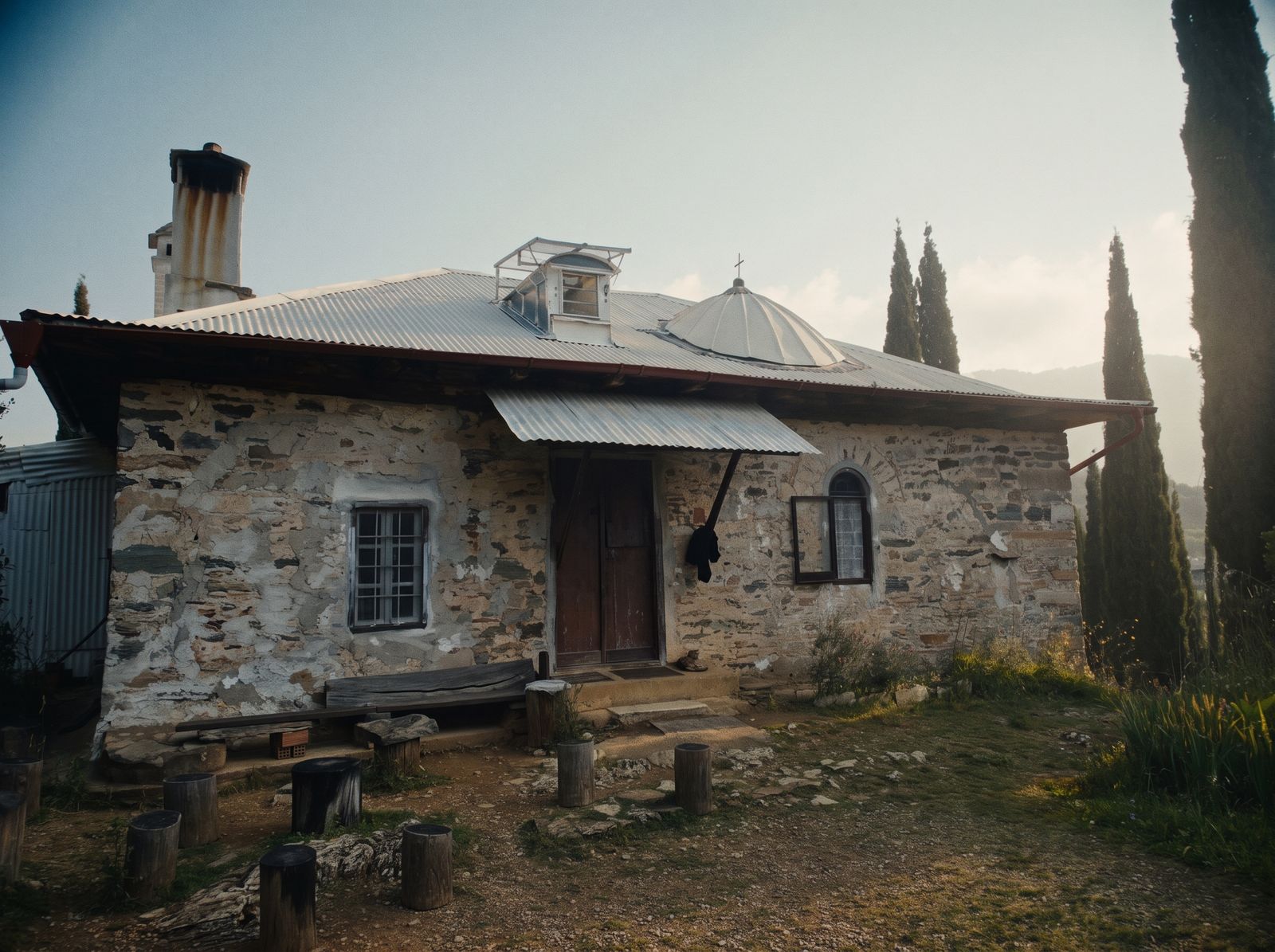
When people speak of the 'miracles' of Saint Paisios, they rarely mean spectacular signs. They mean something quieter and more unsettling: the Elder could see inside a person. In the Orthodox tradition this gift is called clairvoyance — 'diorasis'.
'He knew what troubled me before I spoke'
The most repeated testimony: pilgrims climbed to the Panagouda with a hidden question, and he answered before they could ask it. Sometimes he named a name, a detail, a sin no one else knew. He did it not to impress — but to set free.
The healings
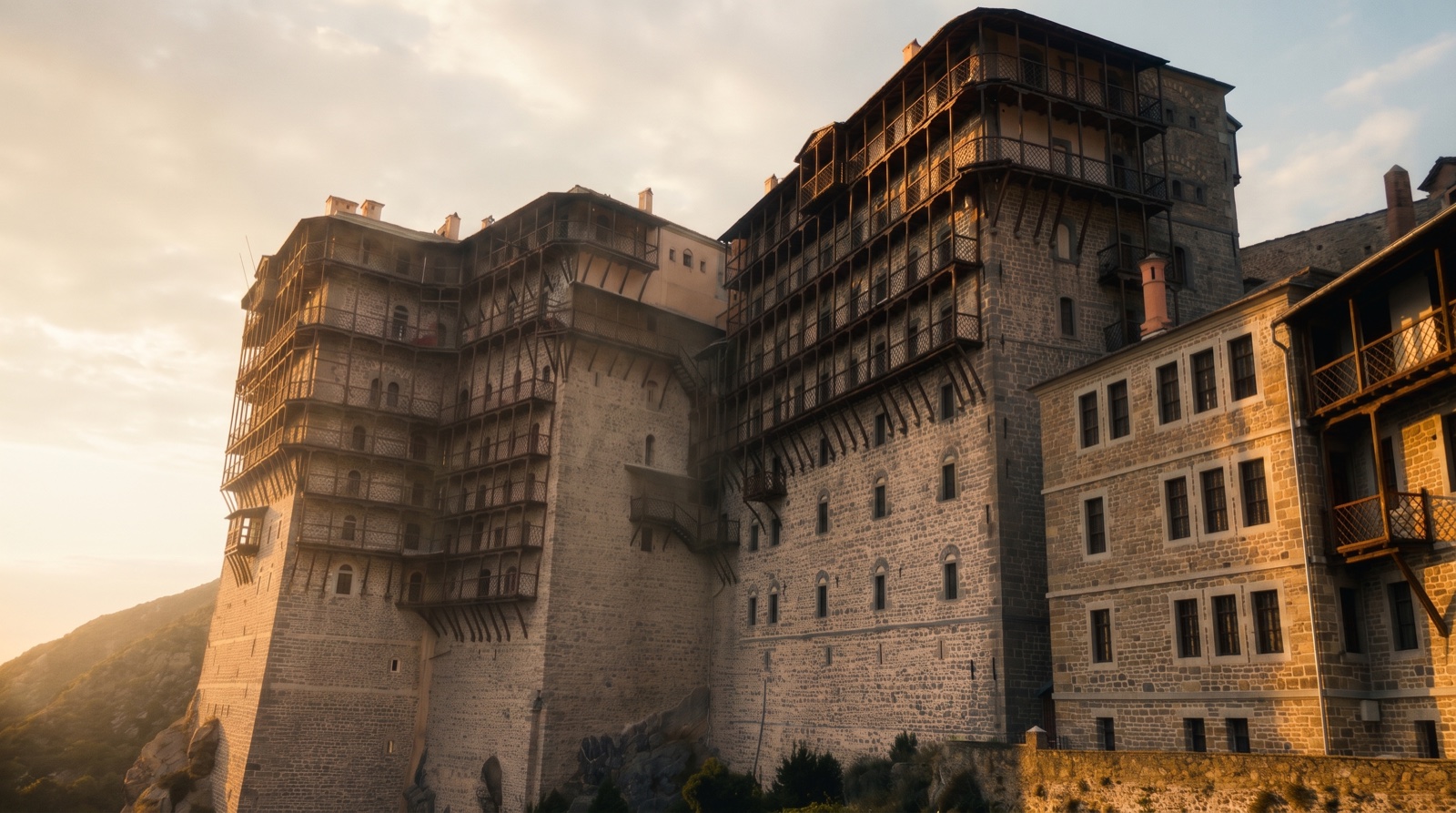
There are many recorded testimonies of people who attribute healings to his intercession — from grave illness to the case of a family whose children were suffering. The Church examined such testimonies during his canonisation; Paisios was proclaimed a saint in 2015.
Why he hid them
A mark of the Elder was that he avoided publicity for miracles. Often he asked that nothing be said. That shyness before the miracle is, for the monks, its most reliable seal.
In the documentary series these testimonies are told by the very monks who lived beside him — not as advertising of the supernatural, but as proof of a man who loved greatly.
Frequently asked questions
What miracles are attributed to Saint Paisios?
Chiefly 'clairvoyance' — knowing what troubled a pilgrim before they spoke — and many testimonies of healings through his intercession. Such testimonies were examined at his canonisation.
How did Paisios 'know' what troubled you?
In the Orthodox tradition this gift is called clairvoyance (diorasis). Testimonies say he answered pilgrims' questions before they even voiced them.
When was Paisios made a saint?
He was proclaimed a saint by the Ecumenical Patriarchate on 13 January 2015. His feast is kept on 12 July.
Where can I see testimonies about Saint Paisios?
In Vasilis Bitsis' Mount Athos documentaries, where monks who lived beside him tell their own experiences. On the channel @VASILISBITSIS and at vasilisbitsis.gr.