The Schema Monk: What the Great Schema Means
On Mount Athos you do not become a 'monk' all at once. It is a road with grades — and the last one, the Great Schema, is almost a second death and a second birth.
The Great Schema · Mount Athos
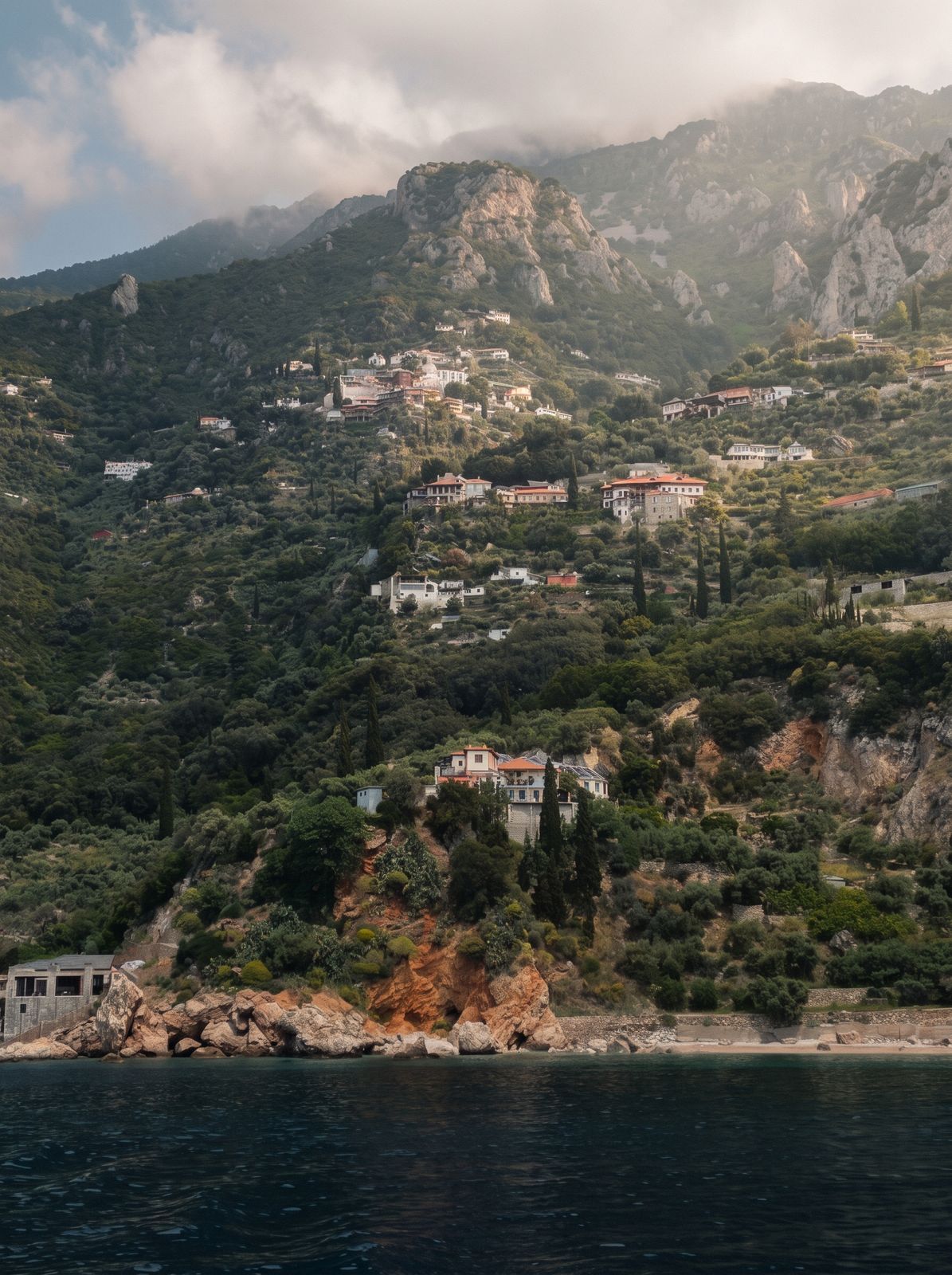
When we hear 'a monk of Mount Athos', we usually imagine one single thing. In reality monastic life has stages, and each stage is a new commitment — not a title, but a deepening.
The grades
First the novice, tested, without tonsure. Then the rasophore, who receives the cassock and a new name. Next the stavrophore or 'little schema' monk, who takes the Little Schema. And at the summit, the great schema monk — the one who has received the Great and Angelic Schema.
Why it is called 'angelic'
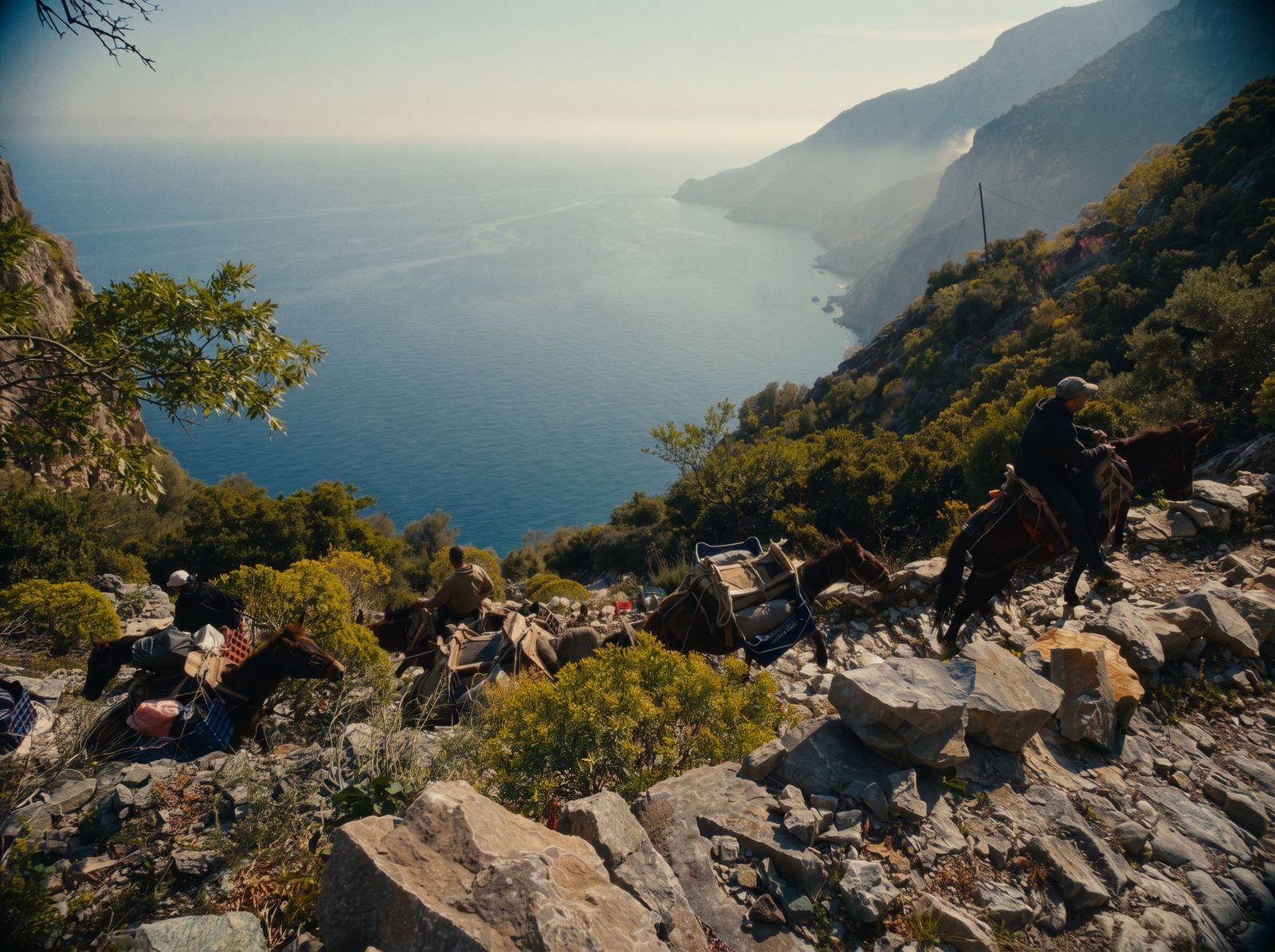
The Great Schema is held to be the fullness of monasticism: the monk takes on the strictest rule of prayer and asceticism, often withdrawing into deeper stillness. In the service of tonsure it is spoken of as a 'second baptism'. He receives a new name again; the old self, symbolically, dies.
In the hermitages of Karoulia and Katounakia, filmed in the series 'On the Paths of Mount Athos', most ascetics are great-schema monks — people who chose the edge of the world not out of misanthropy, but to pray for the world.
Frequently asked questions
What is a schema monk?
A monk who has received the Great and Angelic Schema — the highest grade of monasticism, with the strictest rule of prayer and asceticism.
What are the grades of an Orthodox monk?
Novice, rasophore, stavrophore (Little Schema) and great-schema monk (Great Schema). Each grade is a new commitment, not a title.
Why is the Great Schema called a 'second baptism'?
Because the monk takes on a renewed, radical dedication, receives a new name, and symbolically the old self dies so the new one can be born.